%2Ffit-in%2F250x250%2Fguide_websites%2F6049%2Fimages%2F58e565c159837cd9e66760144f4d2a7a.jpeg&w=1920&q=100)
Tarpon Release Fishing in Holmes Beach FL
Tarpon Fishing in Holmes Beach - What to Expect
%2F%2Fusers%2Fbf47ba3d-0bd1-47ee-a893-6611da56a7b2%2Fimages%2Ftarpon-release-holmes-beach-florida-2560.jpg&w=1920&q=75)
Fishing Charter by Captain Devin Calderon in July
- Find Adventure With Chase The Blue Charters


Summary
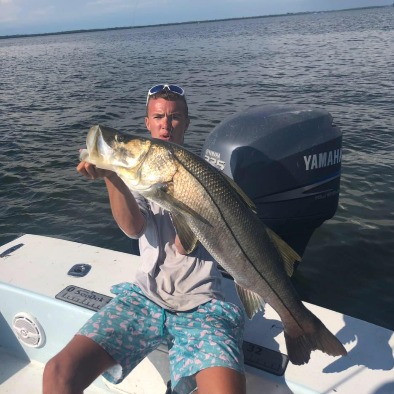
This fishing charter in Holmes Beach, FL showcases the excitement of landing and releasing tarpon in local waters. Sunday in July captures the prime season for pursuing these powerful fish around Anna Maria Island, where experienced captains guide anglers through dynamic fishing conditions. The Sunshine Skyway Bridge backdrop highlights the scenic coastal environment that makes this location a premier tarpon destination.
Fishing Charter with Captain Devin Calderon - Rates & Booking
Captain Devin Calderon of Chase The Blue Charters on Sunday, July 12 offers fishing charters targeting tarpon in the Holmes Beach waters near Anna Maria Island. These charters combine technical angling with the thrill of tangling with one of saltwater fishing's most demanding species. To book your charter and learn about current rates and availability, contact Chase The Blue Charters directly for detailed trip options and pricing.
Tarpon charters in this region are best undertaken with guides who understand local tidal patterns, seasonal movements, and the specific techniques required to hook and land these fish. Captain Calderon brings local expertise to help maximize your success while prioritizing responsible catch-and-release practices that preserve the fishery.
Highlights of Tarpon Fishing on Anna Maria Island
The Holmes Beach and Anna Maria Island area stands as one of Florida's premier tarpon destinations. The combination of shallow flats, deeper channels, and proximity to the Gulf of Mexico creates ideal conditions for pursuing tarpon year-round, with summer months offering some of the most intense action. The presence of the Sunshine Skyway Bridge adds both a scenic element and a navigational landmark that guides use to locate productive fishing zones.
Tarpon fishing here emphasizes sight-casting and precision presentation rather than blind casting. Anglers often see tarpon cruising in shallow water before making casts, creating an exciting and visual experience. Successful trips require patience, accurate casting, and understanding how these fish respond to different lure presentations and natural baits.
Local Species Insights: Tarpon
Tarpon represent one of saltwater fishing's most iconic species. These fish are prehistoric in appearance with massive scales, can exceed 200 pounds, and display exceptional strength and acrobatic ability when hooked. Tarpon inhabit the warm, shallow waters of Florida's Gulf Coast, where they hunt smaller fish and crustaceans along flats and channel edges.
The tarpon's behavior is driven by tidal movement and water temperature. During incoming tides, these fish move onto shallow flats to feed. They prefer areas with adequate depth to escape into when threatened, making channels and deeper drop-offs important habitat features. Tarpon rely on their excellent vision to locate prey, which is why sight-casting during clear, calm conditions produces the best results.
Tarpon are known for their high-jumping behavior once hooked, often launching several feet into the air. This dramatic response makes tarpon fishing visually spectacular but also technically challenging, as the fish's head shakes and powerful runs test both angler skill and tackle durability. Understanding tarpon movement patterns, feeding triggers, and how to maintain tension during their characteristic runs separates successful charters from frustrating experiences.
The Holmes Beach area provides consistent tarpon opportunities because of its geography. Shallow water over sand and grass flats allows anglers to locate and approach tarpon visually. The nearby channels provide deeper water where tarpon hold between feeding periods. This mix of shallow and deep water within a concentrated area makes charter captains efficient at finding active fish.
Conservation through catch-and-release has become standard practice in tarpon fishing. Most charter operations focus on the experience and the fight rather than harvest, recognizing that maintaining healthy tarpon populations ensures long-term angling opportunity. Proper handling and quick releases maximize fish survival rates.